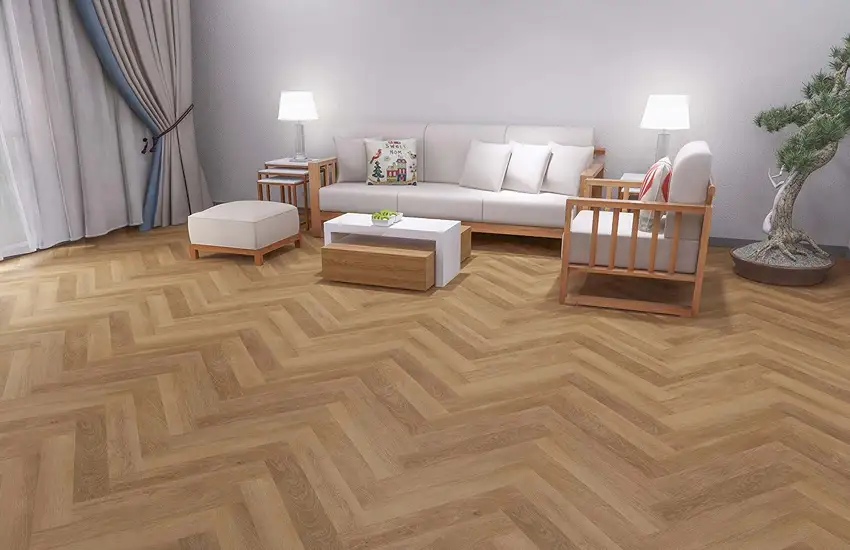
Engineered Wood vs Hardwood Flooring
Choosing between engineered wood and hardwood flooring often comes down to construction, room conditions, appearance, maintenance, and budget. Both options use real wood and bring natural character to an interior. However, they perform differently in certain environments.
If you are comparing solid wood vs engineered wood flooring for a villa, apartment, office, or commercial property in Dubai, understanding these differences will help you make a more informed choice.
This guide explains the difference between solid wood and engineered wood flooring, including construction, durability, moisture resistance, appearance, installation, maintenance, lifespan, and cost.
What Is Solid Wood Flooring?
Solid wood flooring is made from natural timber throughout the plank. Each board consists of a single piece of wood, giving the floor genuine wood character from the surface through the body of the plank.
Oak, walnut, teak, maple, and other hardwood species are common choices. The natural grain, knots, colour variation, and texture give each floor its own appearance.
Solid hardwood flooring is also known for its ability to be sanded and refinished. When the surface becomes worn, refinishing gives the floor a refreshed appearance without replacing the entire floor.
Dubai Vinyl Flooring offers solid wood flooring in different species, shades, finishes, plank sizes, and patterns for residential and commercial interiors. Its hardwood collection includes solid oak, walnut, and teak options.
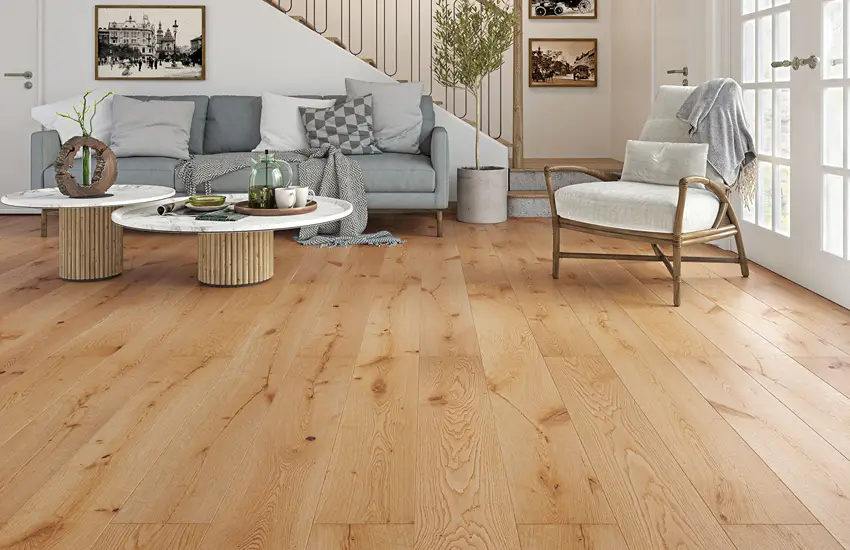
What Is Engineered Wood Flooring?
Engineered wood flooring uses multiple layers. A real hardwood veneer forms the visible surface, while the layers underneath provide structural support.
This construction differs from solid timber construction. Instead of using one piece of natural timber throughout the plank, engineered flooring combines a real wood surface with a layered core.
The multi-layer design helps reduce expansion and contraction compared with a solid wood plank. This makes engineered flooring an option worth considering where changes in humidity and indoor conditions are a concern.
Dubai Vinyl Flooring offers engineered wood in oak, walnut, herringbone, and other finishes for villas, apartments, offices, and commercial interiors.
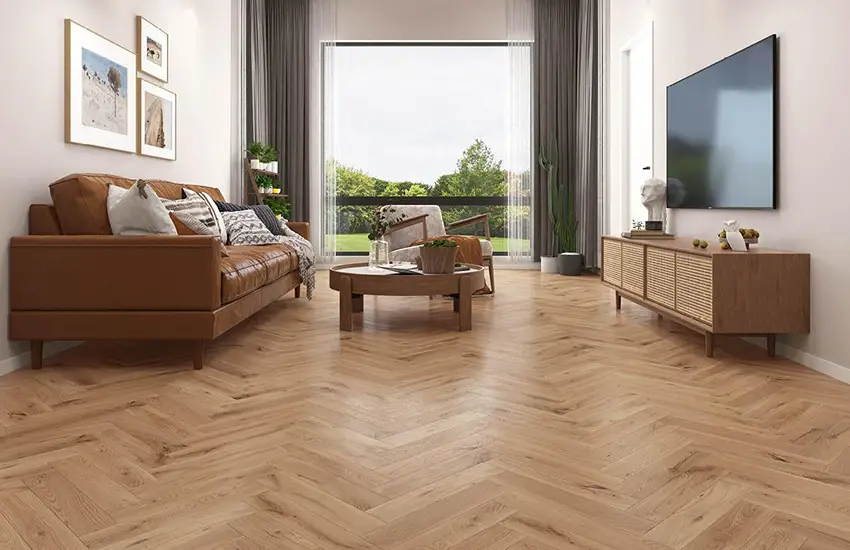
Solid Wood vs Engineered Wood: Key Differences
The main difference between engineered wood and solid wood is their construction.
Solid wood flooring uses natural timber throughout the board. Engineered wood uses a real wood top layer over a multi-layer core.
This difference affects installation, dimensional stability, refinishing, moisture considerations, and cost.
Construction
Solid hardwood consists of natural timber from top to bottom. The species and grade determine the floor’s grain, colour, hardness, and overall appearance.
Engineered wood contains a real hardwood surface with supporting layers underneath. The visible surface still provides the natural appearance of wood, while the layered construction provides greater dimensional stability.
If authentic solid timber construction is your priority, solid wood is the direct choice. If you want a real wood surface with a more stable layered structure, engineered wood is worth considering.
Stability
One of the main reasons people choose engineered wood is its layered construction.
Natural wood responds to changes in humidity and temperature. Solid boards may expand and contract as indoor conditions change. Engineered construction reduces this movement through its cross-layered structure.
This factor matters in Dubai, where indoor spaces rely heavily on air conditioning and humidity levels can vary.
Dubai Vinyl Flooring states that its engineered wood construction helps minimise expansion and contraction.
Appearance
Both flooring types provide a natural wood appearance.
Solid wood shows natural timber throughout the plank. Each board has its own grain patterns, knots, colour variation, and character.
Engineered wood also features a real wood surface. You can choose from finishes such as oak and walnut, along with patterns such as herringbone.
The difference is not necessarily obvious once the floor is installed. The visible appearance depends more on the wood species, grade, finish, plank size, and surface treatment.
Durability
Both solid and engineered wood flooring offer durable options when you select a suitable product and maintain it correctly.
Solid wood has a long history of use as a flooring material. Its substantial timber construction allows the surface to be sanded and refinished multiple times, depending on the board thickness and remaining wear layer.
Engineered flooring also offers durability, but its refinishing potential depends on the thickness of its real wood wear layer.
When comparing engineered wood vs solid wood flooring, check the exact product specification instead of assuming every engineered or solid floor has the same refinishing potential.
Installation
Installation requirements differ between products.
Solid wood flooring is often installed using fixing systems suited to the product and subfloor. Engineered wood is available with different installation systems, including click systems and other methods.
The subfloor must be properly prepared before installation. Moisture levels, flatness, stability, and the manufacturer’s requirements all need attention.
Professional installation helps ensure correct expansion gaps, alignment, transitions, and finishing details.
For Dubai projects, you should also consider the room’s indoor conditions before installation. Proper preparation contributes to the long-term performance of either flooring type.
Maintenance
Both solid and engineered wood flooring need regular care.
Dust and loose debris should be removed regularly to reduce surface scratching. Use cleaning products recommended for the specific finish and avoid excessive moisture.
Spills should be cleaned promptly. Furniture pads also help reduce the risk of scratches and marks.
The finish also affects maintenance. Oiled and lacquered surfaces have different care requirements, so follow the manufacturer’s recommendations.
Lifespan
Solid wood flooring is known for its long service life when properly installed and maintained. Its ability to be sanded and refinished gives it an advantage for long-term renovation projects.
Engineered wood also offers long-term use, but its potential lifespan depends on the product’s construction, wear layer, installation, traffic, and maintenance.
Some engineered floors feature a real wood surface thick enough for refinishing. Others have a thinner top layer. Always check the manufacturer’s specifications before assuming how many times a floor can be refinished.
Cost
Cost is another important consideration when comparing solid wood vs engineered wood.
The final price depends on the wood species, grade, thickness, finish, plank size, pattern, installation method, and project size.
Solid hardwood flooring often uses more natural timber per board, while engineered construction combines a hardwood surface with other structural layers.
Engineered flooring often provides a way to achieve a real wood appearance with a different construction and price point. Dubai Vinyl Flooring’s current engineered collection includes products at different price points, so comparing individual specifications is more useful than comparing the two categories alone.
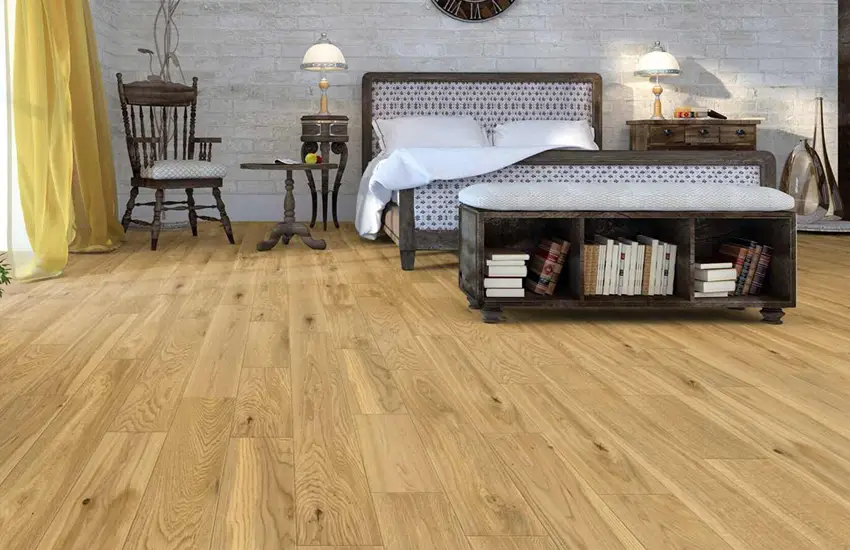
Is Engineered Wood Better Than Solid Wood?
Engineered wood is not automatically better than solid wood. Each option has different strengths.
Engineered wood is worth considering if dimensional stability, installation flexibility, and real wood appearance are high priorities.
Solid wood is worth considering if you prefer solid timber construction, natural wood character, and the potential for repeated refinishing over the floor’s service life.
Your room and project requirements should guide the decision.
Hardwood or Engineered Wood Flooring for Dubai?
For Dubai properties, consider humidity, air conditioning, room usage, maintenance, and the desired appearance before choosing.
Engineered flooring is often worth considering where stability is a priority. Its multi-layer structure is designed to minimise expansion and contraction.
Solid hardwood remains a strong choice for interiors where natural timber construction and long-term refinishing are important.
For bedrooms, living rooms, dining areas, offices, villas, and other interior spaces, both options deserve consideration.
If you want to compare available engineered wood products, buy engineered flooring in Dubai.
If your preference is natural timber construction, explore Solid Wood flooring Dubai.
Which One Should You Choose?
Choose engineered wood if:
- You want a real wood surface with layered construction.
- You prioritise dimensional stability.
- You want a wide selection of oak, walnut, herringbone, and modern finishes.
- You are comparing flooring options for Dubai interiors.
Choose solid wood if:
- You prefer natural timber throughout the plank.
- You want the distinctive character of solid hardwood.
- You value the option of repeated sanding and refinishing.
- You prefer traditional solid timber construction.
Final Thoughts
The difference between engineered hardwood and hardwood mainly comes down to construction. Solid wood flooring uses natural timber throughout the plank, while engineered wood combines a real hardwood surface with multiple supporting layers.
Both offer natural wood character and a wide range of design options. Your choice should depend on the room, indoor conditions, installation requirements, maintenance expectations, appearance, and budget.
When comparing solid wood vs engineered wood flooring, focus on the specifications of the actual products. Check the wood species, thickness, finish, construction, installation method, wear layer, warranty, and refinishing requirements before making your final decision.
Related Post