Engineered Wood vs Vinyl Flooring: Which Is Better for Your Home?
Choosing between engineered wood and vinyl flooring can be challenging when both options offer attractive designs and practical benefits. Engineered wood provides a genuine wood surface with a layered construction, while vinyl flooring offers versatile designs, easy maintenance, and options suited to different budgets.
In this guide, we compare engineered wood vs vinyl flooring to help you understand their differences in appearance, durability, water resistance, installation, maintenance, and cost.
What Is Engineered Wood Flooring?
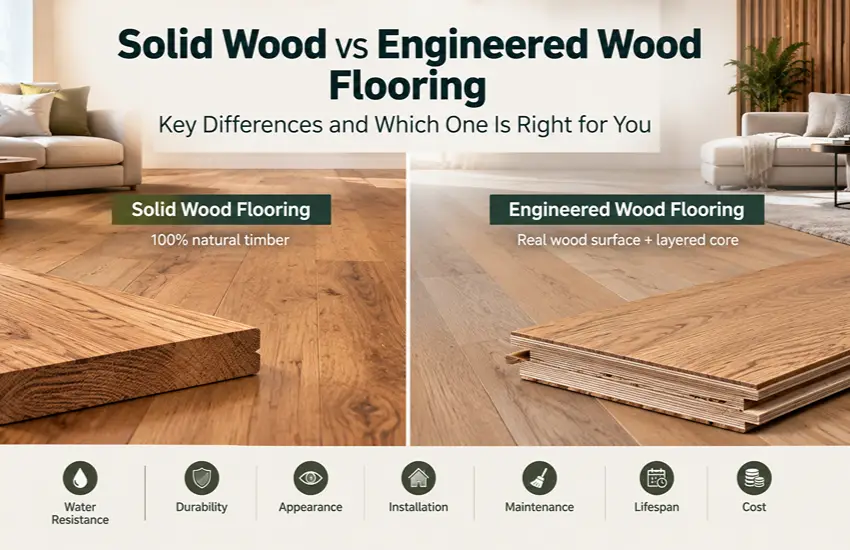
Engineered wood flooring consists of a genuine hardwood surface bonded to multiple supporting layers. Depending on the product, these layers may use plywood, high-density fibreboard, or other wood-based materials.
The top layer provides the natural grain, colour, and texture of wood, while the layered construction helps limit movement caused by changes in temperature and humidity compared with solid wood.
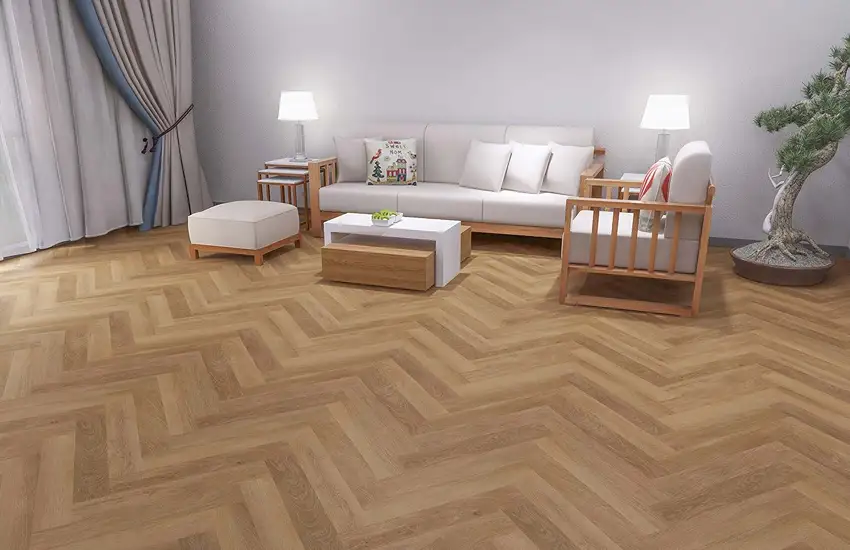
Engineered wood is available in various finishes, including oak, walnut, brushed surfaces, and lacquered designs. Planks can also be arranged in patterns such as herringbone and chevron to create distinctive interiors.
Explore our range of engineered wood flooring in Dubai to compare natural wood finishes and flooring styles for residential and commercial interiors.
What Is Vinyl Flooring?
Vinyl flooring is a synthetic floor covering made primarily from polyvinyl chloride (PVC), along with other materials used in its construction. It is available in several formats, including vinyl sheets, tiles, and planks.
Modern vinyl flooring can reproduce the appearance of wood, stone, marble, and concrete. This makes it possible to achieve different interior styles without using the natural material itself.
Vinyl products also vary in construction, thickness, wear layers, and installation methods. Some are flexible and installed with adhesive, while others use click-lock systems or rigid cores.
You can explore vinyl flooring options in Dubai to compare styles and formats for your space.
Engineered Wood vs Vinyl Flooring: Key Differences
The main difference is that engineered wood has a real hardwood surface, whereas vinyl uses a printed decorative layer to create its design.
| Feature | Engineered wood flooring | Vinyl flooring |
|---|---|---|
| Surface material | Genuine hardwood veneer | Printed decorative layer |
| Appearance | Natural wood grain and texture | Wood, stone, tile, and other designs |
| Water resistance | Varies by product; prolonged moisture can cause damage | Generally good, with performance depending on the product and installation |
| Comfort underfoot | Natural wood feel | Often softer and warmer underfoot than hard tile |
| Maintenance | Requires appropriate wood-floor care | Generally easy to clean |
| Repair | Some products can be sanded and refinished, depending on veneer thickness | Damaged areas may require repair or plank replacement |
| Installation | Depends on the product and fitting method | May use adhesive, click-lock, or other approved systems |
| Initial cost | Generally higher than many vinyl options | Available across a broad range of budgets |
| Best suited for | Interiors where genuine wood is a priority | Spaces where design flexibility and practical maintenance matter |
Neither option is automatically better for every property. Your decision should reflect the room’s conditions, the product specifications, and the appearance you want.
1. Appearance and Design Options
Flooring has a significant influence on the overall look of a room. Both engineered wood and vinyl offer a wide range of designs, but they create their appearance in different ways.
Engineered Wood: Authentic Wood Character
Engineered wood has a genuine hardwood surface, so its grain patterns and texture come from real timber. Natural variations in colour, knots, and grain give each design its own character.
Popular choices include:
- Natural and smoked oak finishes
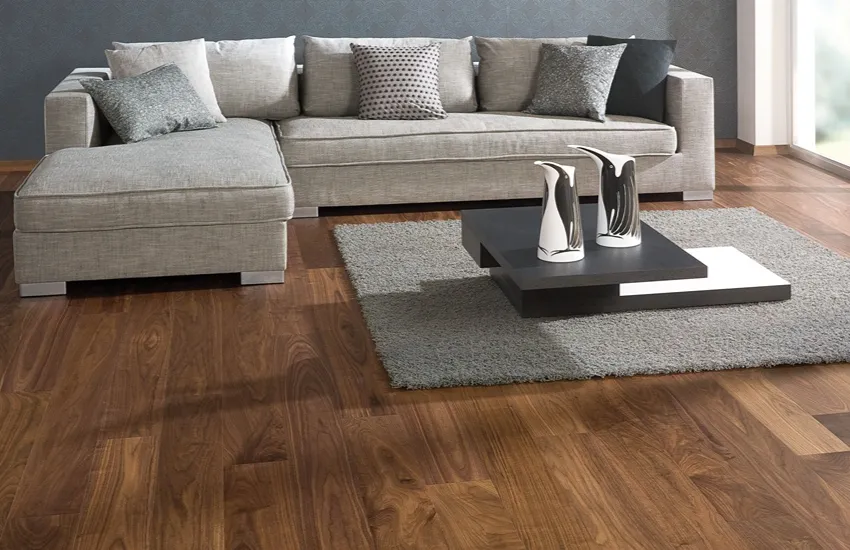
- Walnut tones for richer interiors
- Light wood shades for bright, contemporary rooms
- Grey finishes for modern décor
- Herringbone and chevron patterns for decorative layouts
Engineered wood is worth considering if you want the appearance and texture of real wood in your living room, bedroom, or other suitable interior.
Vinyl Flooring: Versatile Decorative Styles
Vinyl flooring uses printed designs to reproduce the appearance of different materials. Improvements in surface textures and decorative printing allow many products to imitate wood grain, stone patterns, and other finishes.
Depending on the collection, you can choose from:
- Wood-look planks
- Marble and stone-effect designs
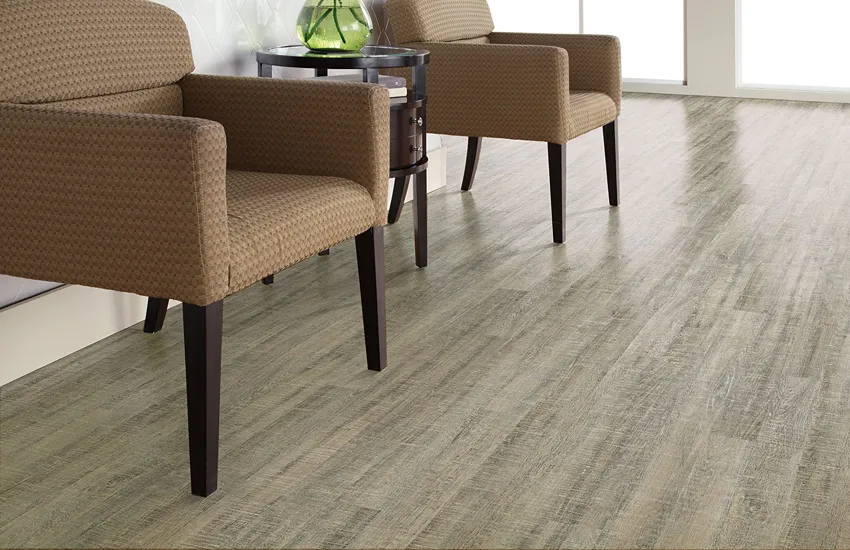
- Grey, beige, and dark wood tones
- Herringbone patterns
- Contemporary concrete-effect finishes
Vinyl is useful when you want to coordinate the floor with a particular interior style or prefer a design that does not use a genuine wood surface.
Which is better? Choose engineered wood when authentic timber is important to you. Choose vinyl when you want more flexibility in decorative effects and material options.
2. Durability and Everyday Wear
Both flooring types can perform well when you select the right product and install it correctly. However, their durability depends on different factors.
How Durable Is Engineered Wood?
Engineered wood combines a hardwood surface with a supporting core. Its performance depends on the quality of the construction, the thickness of the veneer, the finish, and the conditions in which it is installed.
Daily foot traffic, furniture movement, abrasive dirt, and heavy impacts can mark the surface. Using protective pads under furniture and cleaning away grit can help reduce wear.
Some engineered wood floors can be sanded and refinished when their surface layer is thick enough. Others have a thinner veneer that allows limited or no refinishing. Check the manufacturer’s specifications before assuming a floor can be restored.
How Durable Is Vinyl Flooring?
Vinyl flooring generally has a protective wear layer designed to resist everyday scuffs, stains, and surface wear. Its performance depends on the wear layer, overall construction, installation quality, and intended use.
Heavy furniture, sharp objects, dragging appliances, and excessive heat can still damage vinyl flooring. The correct product should be selected according to expected foot traffic and room requirements.
For commercial environments, review the product’s wear-layer specifications and suitability for the intended traffic level.
Which is better? Either can be a practical choice. Engineered wood offers a genuine wood surface, while suitable vinyl products provide a low-maintenance alternative for everyday use. Compare the actual specifications rather than relying on the material name alone.
3. Water Resistance and Moisture Protection
Water exposure is an important consideration when comparing engineered wood vs vinyl flooring, especially in kitchens, entrances, and other areas where spills may occur.
Engineered Wood and Moisture
Although its layered construction can improve dimensional stability compared with solid wood, engineered wood still contains real wood. Excess moisture can cause swelling, staining, warping, or damage to joints.
Spills should be cleaned promptly, and the floor should be maintained according to the manufacturer’s instructions. Installation over a damp subfloor or exposure to persistent moisture can also create problems.
Do not assume that every engineered wood product is suitable for bathrooms or other regularly wet areas.
Vinyl Flooring and Water Exposure
Many vinyl flooring products offer strong water resistance, and some have waterproof construction. This makes them suitable for spaces where occasional spills are more likely.
However, the flooring material and the complete floor system are not the same thing. Water can still reach the subfloor through joints, edges, or poorly sealed areas, depending on the product and installation method.
For kitchens, laundry rooms, or other moisture-prone areas, confirm the manufacturer’s recommendations for the exact vinyl product.
Which is better? Vinyl is generally the more practical choice where water exposure is a concern. Engineered wood may be suitable for rooms with controlled moisture when installed and maintained correctly.
For another comparison of resilient flooring options, read our guide to SPC vs vinyl flooring .
4. Comfort and Feel Underfoot
The feel of a floor can affect everyday comfort, especially in bedrooms, living rooms, and areas where you spend a lot of time standing or walking.
Engineered wood provides the natural surface of timber and can create a warm, welcoming appearance. The overall feel also depends on the installation system and subfloor.
Vinyl flooring is often softer and more flexible than hard tile or stone. Some products include backing or underlay systems that can influence comfort and sound transmission. Rigid-core vinyl, such as SPC, generally feels firmer than flexible vinyl products.
Neither option guarantees a particular level of sound insulation or comfort. These properties depend on the product, subfloor, and installation.
Which is better? Engineered wood suits those who value the natural feel of timber. Vinyl may appeal to households looking for a practical, comfortable surface with less demanding maintenance.
5. Installation and Maintenance
Installation requirements differ between products, so the preparation of your existing floor should be considered before choosing a material.
Installing Engineered Wood Flooring
Depending on the product, engineered wood may be installed using a floating, glue-down, or other approved fitting method. The subfloor must be properly prepared, and moisture conditions should be checked before installation.
Some products require acclimatisation according to the manufacturer’s instructions. Correct expansion allowances and installation methods help manage natural movement.
Routine care usually involves sweeping or vacuuming with a suitable attachment and using a wood-floor cleaner recommended for the finish. Avoid excessive water and harsh cleaning products.
Installing Vinyl Flooring
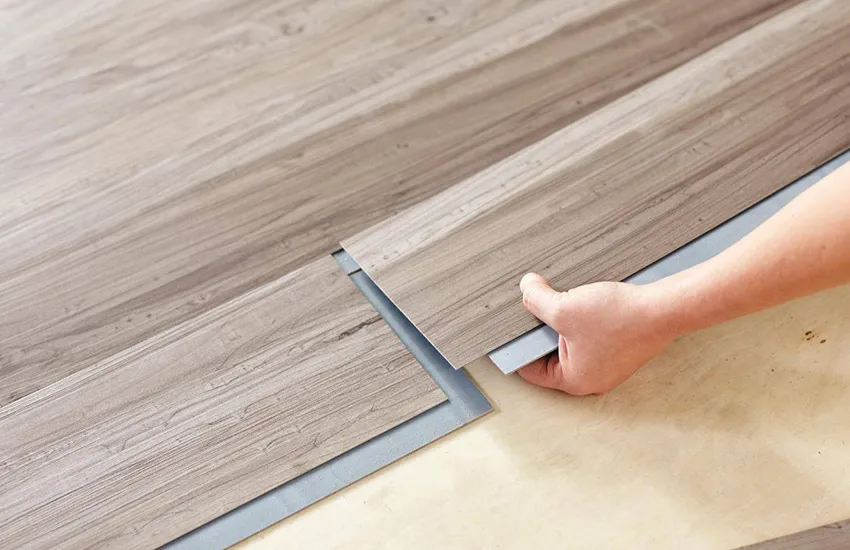
Vinyl installation depends on the format and construction. Sheet vinyl and some LVT products may require adhesive, while click-lock planks use an interlocking system. Rigid-core products have their own subfloor and installation requirements.
The surface beneath the flooring should be sufficiently clean, dry, and level. Poor preparation can affect the final appearance and performance.
Vinyl is generally easy to maintain. Regular sweeping or vacuuming and damp cleaning with an appropriate product are usually sufficient. Avoid abrasive tools and cleaning chemicals that could damage the wear layer.
For more details on vinyl formats and applications, explore our LVT flooring options in Dubai .
6. Cost: Which Flooring Is More Affordable?
The total cost of flooring includes more than the price per square metre. Materials, subfloor preparation, installation, trims, and future maintenance can all affect your budget.
Engineered Wood Flooring Costs
Engineered wood prices vary according to the wood species, veneer thickness, surface finish, plank dimensions, and laying pattern. Decorative herringbone or chevron layouts may also require more detailed installation.
Although engineered wood may have a higher initial cost than many vinyl options, some products can be refinished when the veneer permits it. This may extend their useful life, depending on their condition and maintenance.
Vinyl Flooring Costs
Vinyl flooring is available across a broad price range. Costs depend on the product format, thickness, wear layer, decorative finish, core construction, and installation method.
Some vinyl products can be installed relatively quickly, while others require adhesive, detailed subfloor preparation, or specialist fitting.
Which is better? Vinyl is often the more budget-friendly starting point, but you should compare complete installation quotes for products of suitable quality. A lower material price does not necessarily mean a lower total project cost.
7. Which Flooring Is Better for Dubai Homes?
Dubai’s climate and indoor air-conditioning conditions make product selection and installation particularly important. Temperature changes, moisture, direct sunlight through windows, and cleaning routines can all affect flooring performance.
Choose Engineered Wood If:
- You prefer a genuine hardwood surface.
- Natural grain and timber character are priorities.
- You want wood finishes such as oak or walnut.
- The room has suitable moisture conditions.
- You are prepared to follow the recommended wood-floor maintenance routine.
Choose Vinyl Flooring If:
- You want a practical alternative to natural wood.
- Easy routine cleaning is a priority.
- You need a design that suits your budget.
- Water resistance is important for the intended room.
- You want to compare wood-look, stone-effect, and other decorative finishes.
Before making a decision, check the product’s suitability for the room, particularly where direct sunlight, temperature changes, or moisture may affect performance.
8. Engineered Wood vs Vinyl Flooring: Final Verdict
The right flooring depends on what matters most in your home.
Engineered wood is a strong option for people who value the authentic appearance and texture of real timber. Its layered construction offers dimensional stability compared with solid wood, although moisture control and appropriate maintenance remain important.
Vinyl flooring is a versatile alternative for homeowners who prioritise design flexibility, easy cleaning, and a range of price points. Its suitability for wet or high-traffic areas depends on the specific product and installation system.
Before buying, compare samples, review product specifications, and consider the conditions in which the floor will be used. A well-chosen floor should suit both your interior design and your day-to-day requirements.
If you are still comparing natural wood options, our guide to engineered wood vs hardwood flooring explains how their construction, stability, appearance, and maintenance differ.
Explore Flooring Options for Your Space
Choosing between engineered wood and vinyl flooring becomes easier when you compare appearance, moisture requirements, installation, maintenance, and total cost.
If natural timber is your priority, explore our engineered wood collection. If you prefer a versatile and easy-care floor, compare the available vinyl and LVT options to find a product that suits your room and budget.
Contact Dubai Vinyl Flooring for product guidance and installation information before selecting your new floor.
Related Post